

THE SIGNIFICANCE OF FLOWERS IN RELIGIOUS TRADITIONS
Flowers have played a significant role in religious practices and traditions for centuries. Symbolizing spirituality, purity, and the divine presence. Across various cultures and faiths, specific flowers hold deep symbolic meaning and are used in rituals, ceremonies, and religious art. Join us on a journey through some of the most important flowers in religious traditions. Each carrying its own profound significance and enriching the tapestry of faith.
The Lotus Flower – Buddhism and Hinduism
In Buddhism and Hinduism, the lotus flower holds immense symbolic importance, representing purity, enlightenment, and spiritual growth. Emerging from muddy waters to bloom in pristine beauty, the lotus symbolizes the journey from darkness to light, ignorance to knowledge. Depicted in religious art and architecture, the lotus serves as a reminder of the inherent potential for transformation and awakening within every individual.
Rose – Christianity and Islam
The rose holds a special place in both Christianity and Islam, symbolizing love, devotion, and divine beauty. In Christianity, the rose is associated with the Virgin Mary and is often used to represent the mystical rose garden of paradise. In Islam, the rose is mentioned in the poetry of Sufi mystics as a symbol of spiritual longing and the eternal beauty of God’s creation. Across religious ceremonies and festivals, roses are used to adorn sacred spaces and honor the divine presence.
Jasmine Flower – Hinduism and Islam
In Hinduism, the jasmine flower is revered as a sacred offering to the gods, particularly Lord Shiva and the goddess Lakshmi. Its delicate white petals and sweet fragrance symbolize purity, auspiciousness, and divine blessings. Similarly, in Islam, jasmine is highly regarded for its exquisite scent and is associated with paradise and eternal bliss. Jasmine flowers are often used in religious rituals, weddings, and spiritual ceremonies as a symbol of divine presence and grace.
The Olive Branch – Judaism, Christianity, and Islam
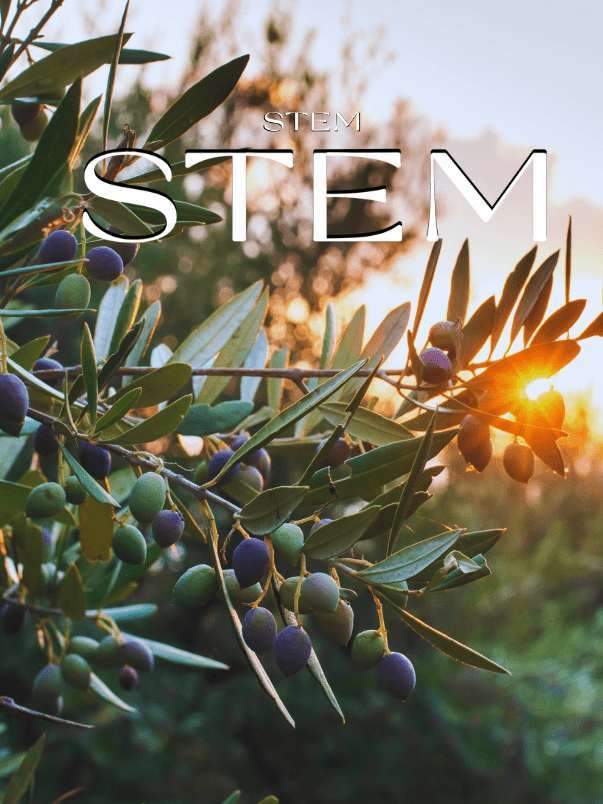
The olive branch holds universal significance across multiple religious traditions, symbolizing peace, reconciliation, and divine favor. In Judaism, the olive branch is a symbol of God’s covenant with humanity and is associated with hope and renewal. In Christianity, the olive branch is referenced in the story of Noah’s Ark as a sign of God’s promise to never again flood the earth. In Islam, the olive tree is mentioned in the Quran as a blessed tree. Its branches are used as a symbol of peace and prosperity.
Conclusion: Unity in Diversity
Across diverse religious traditions, flowers serve as powerful symbols of faith, spirituality, and divine presence. Whether it’s the lotus blooming in a tranquil pond, the fragrant rose adorning sacred spaces, or the delicate jasmine offering its blessings. Each flower carries its own unique symbolism, enriching the spiritual tapestry of humanity. As we explore the significance of flowers in religious traditions. Let us celebrate the unity found in diversity and the universal language of beauty, love, and devotion.
Through the language of flowers, we find a common thread that transcends religious boundaries, connecting us to the eternal truths that unite us all in the journey of faith and spiritual awakening. Contact Us Today!



Comments are closed.