
Journal · 14 May 2024
THE FLOWER OF THE DAY: DIASCIA
Welcome back to another day on Stem Design's blog as we celebrate the joys and wonderment of nature’s floral treasures. Today we turn our focus to a lovely and often over-looked beautiful bloom. The Diascia. Delicately beautiful and bursting with vibrant colour, Diascias are the perfect addition to add a little fun, elegance and cheer to any bouquet or floral arrangement! Join us as we take a deep dive into the beauty and versatility of this delightful flower!
Introducing Diascia: A Gem of the Garden
Diascia, commonly known as Twinspur, is a genus of flowering plants native to Southern Africa. Their name comes from the Greek words "dias" meaning twice, and "akme" meaning peak in reference to the two spurs present on each flower. These delicate spurs are what make Diascia a striking and unique addition to any floral design.
Characteristics of Diascia
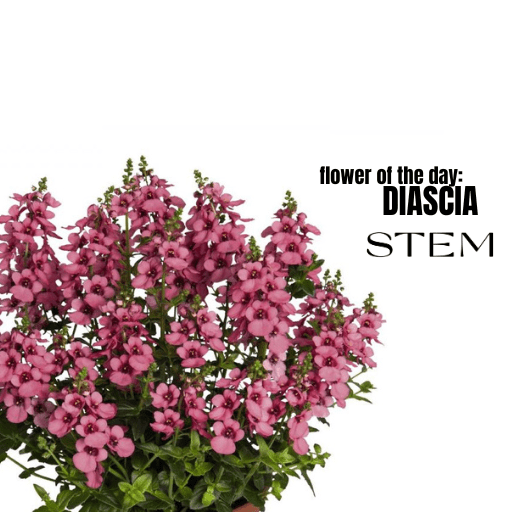
Diascia blooms in a wide range of colours, including shades of pink, coral, salmon, and white. The flowers are small and trumpet-shaped, densely packed on delicate stems that lend an airy quality to the delicate and elegant appearance of the plant. But don't let their delicate appearance fool you, Diascia flowers are surprisingly hardy, making them a great option for both garden beds and container plantings..
Growing Diascia: Tips for Success
Looking to add some Diascia to your garden or floral arrangements? Here are some tips for growing these lovely flowers:
- Sunlight: Diascia loves full sun to partial shade. The more sunlight Diascia receives, the better it will bloom, so choose a spot in your garden that gets at least six hours of sun each day.
- Soil: Diascia needs to be planted in well-draining soil. If you have heavy or clay soils in your garden, be sure to amend with organic matter to improve drainage and fertility.
- Watering: Water Diascia consistently, making sure not to overwater. The soil should be kept moist at all times, but not waterlogged. Water deeply when the soil feels dry a few centimetres down.
- Deadheading: To promote continual blooming and prevent the plant from prematurely bolting to seed, deadhead it regularly.
- Fertilisation: Diascia should be fertilised every four to six weeks during the growing season with a balanced fertiliser to encourage strong growth and heavy bloom.
Uses of Diascia in Floral Design
Diascia's tiny flowers and longevity as a cut flower make it an excellent choice for floral design. Here are some fun ways to use Diascia in your designs:
- Mixed Bouquets: Combine Diascia with other complementary flowers like roses, daisies, and baby's breath to create a lovely garden-themed bouquet.
- Container Gardens: Plant Diascia in containers for a bright pop of colour that will last all the way through spring and autumn on patios, balconies, or window boxes.
- Wedding Florals: Diascia makes an excellent addition to bridal bouquets, boutonnieres, corsages, and centrepieces, adding texture and interest. Its delicate appearance and lovely blooms also add a whimsical and romantic vibe to any wedding celebration.
Discover Diascia Delights at Stem Design
Experience the magic of Diascia firsthand at Stem Design, your go-to florist in Brisbane! Browse our extensive collection of Diascia flowers and arrangements to find the perfect addition to your garden or home décor. From stunning bouquets to lush floral displays, Diascia is sure to bring joy and wonder wherever it goes.
We at Stem Design are committed to making your floral dreams a reality. Trust us as your floral companion in creating blissful and beautiful moments with Diascia and a variety of other exquisite blooms. Don't wait! Come and see us today for some magical floral transformations in your world! Contact Us Today!