

HOW FLOWERS HAVE INFLUENCED THE WORLD
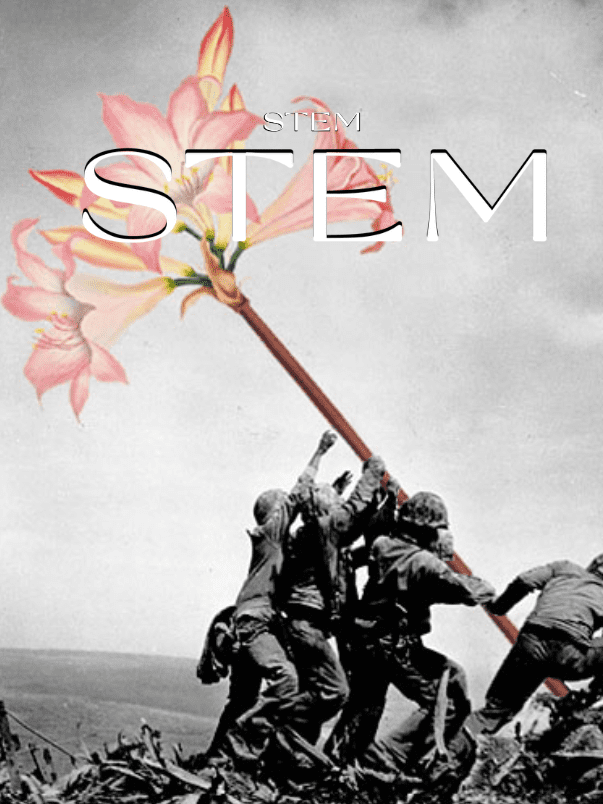
Flowers are more than just beautiful decorations; they are powerful symbols and catalysts that have shaped cultures, economies, art, and even science throughout history. At Stem Design, we believe in the profound impact of these delicate blooms, not just in our daily lives but on a global scale. In this blog post, we’ll explore how flowers have influenced the world in multifaceted ways, leaving an indelible mark on various aspects of human society.
CULTURAL SIGNIFICANCE
Symbolism Across Cultures
Flowers have been imbued with deep symbolic meanings across different cultures and civilizations. The rose, for example, is universally recognized as a symbol of love and passion. In contrast, the lotus holds spiritual significance in many Eastern religions, symbolizing purity and enlightenment. These meanings have made flowers integral to rituals and ceremonies, from weddings and funerals to religious observances and festivals. The vibrant marigold, for instance, is a staple in Indian celebrations, symbolizing auspiciousness and positivity.
Rituals and Traditions
Flowers have played a crucial role in rituals and traditions around the world. In Japan, the practice of Hanami, or flower viewing, is an annual celebration of the fleeting beauty of cherry blossoms. In Mexico, marigolds are a vital part of the Day of the Dead festivities, believed to guide the spirits of the deceased back to the world of the living. These traditions not only celebrate the beauty of flowers but also reinforce their importance in cultural and spiritual contexts.
ECONOMIC IMPACT
The Floriculture Industry
The global floriculture industry is a multi-billion dollar market, with countries like the Netherlands, Kenya, and Colombia leading the way in flower exports. The cultivation and sale of flowers create millions of jobs worldwide, from growers and harvesters to florists and delivery personnel. The economic impact extends beyond floriculture, influencing related industries such as tourism and retail.
Tourism and Festivals
Flower festivals attract millions of tourists each year, contributing significantly to local economies. The Cherry Blossom Festival in Japan and the Tulip Festival in the Netherlands are prime examples, drawing visitors from around the globe. These events celebrate the beauty of flowers while also promoting local culture and heritage, creating a fusion of natural beauty and cultural expression.
ART AND LITERATURE
Inspiration for Artists
Flowers have been a timeless source of inspiration for artists. From Vincent van Gogh’s iconic “Sunflowers” to Georgia O’Keeffe’s close-up paintings of flowers, these natural wonders have been a central subject in art for centuries. The intricate details and vibrant colors of flowers challenge artists to capture their essence, making them a popular motif in various art forms, including painting, sculpture, and photography.
Literary Significance
In literature, flowers often serve as powerful symbols and motifs. In Shakespeare’s works, flowers convey complex emotions and themes, such as the innocence represented by Ophelia’s bouquet in “Hamlet.” The language of flowers, or floriography, has also been a popular means of communication in literature, allowing characters to convey unspoken messages and emotions.
SCIENTIFIC CONTRIBUTIONS
Botany and Horticulture
The study of flowers has contributed significantly to our understanding of plant biology, ecology, and genetics. Research on plant pollination, for example, has had far-reaching implications for agriculture and food security. The discovery of cross-pollination processes has led to the development of hybrid plants, improving crop yields and resistance to diseases.
Medicinal Uses
Flowers have been used in traditional and modern medicine for centuries. The foxglove plant, for instance, is the source of digitalis, a heart medication. Lavender, chamomile, and calendula are other examples of flowers with medicinal properties, used to treat ailments ranging from anxiety to skin irritations.
SOCIAL MOVEMENTS
Flower Power and Peace
In the 1960s and 70s, flowers became symbols of peace and non-violence during the counterculture movements. The term “Flower Power” represented the advocacy for peace and love over war and conflict. This symbolic use of flowers was not just a form of protest but a way to promote a more compassionate and harmonious worldview.
ENVIRONMENTAL AWARENESS
Biodiversity and Conservation
Flowers play a crucial role in ecosystems by supporting pollinators like bees and butterflies. The conservation of flowering plants is vital for maintaining biodiversity and ecological balance. As concerns about climate change and habitat loss grow, the importance of flowers in sustaining life on Earth becomes increasingly apparent.
CONCLUSION
From cultural symbolism to economic significance, artistic inspiration to scientific discovery, flowers have left an indelible mark on the world. At Stem Design, we celebrate the beauty and power of these natural wonders in every arrangement we create. Whether you’re looking to make a statement with a bouquet or seeking to understand the deeper meanings behind your favorite blooms, we are here to guide you on your floral journey. Let the power of petals inspire and transform your world. Contact Us Today!


Comments are closed.