

FLOWER OF THE DAY: TALIPOT PALM
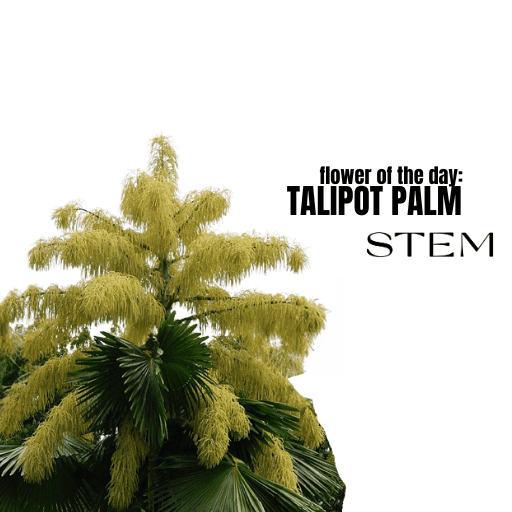
At Stem Design, we love to feature extraordinary and unique plants that captivate and inspire. Today, we’re excited to introduce you to one of the most remarkable and fascinating plants in the botanical world: the Talipot Palm (Corypha umbraculifera).
What is the Talipot Palm?
The Talipot Palm, scientifically known as Corypha umbraculifera, is one of the largest palms in the world and a true botanical marvel. Native to India and Sri Lanka, this majestic palm is renowned for its massive size and impressive lifecycle. The Talipot Palm can grow up to 25 meters (82 feet) tall with leaves that span up to 5 meters (16 feet) in diameter.
The Unique Lifecycle of the Talipot Palm
One of the most fascinating aspects of the Talipot Palm is its lifecycle. Unlike most plants, the Talipot Palm flowers only once in its lifetime, typically after 30 to 80 years. When it finally blooms, it produces a gigantic inflorescence that can be up to 8 meters (26 feet) tall, containing millions of tiny flowers. This spectacular floral display can last for several months, attracting a multitude of pollinators.
After flowering, the Talipot Palm produces large, round fruits that take about a year to mature. Once the fruits have ripened and dispersed, the palm completes its lifecycle and dies. This unique reproductive strategy is known as monocarpic, a trait shared by only a few other plant species.
Growing and Caring for Talipot Palm
Growing the Talipot Palm can be a rewarding challenge for plant enthusiasts who have the right conditions and space. Here are some tips for growing and caring for this magnificent palm:
- Climate: The Talipot Palm thrives in tropical and subtropical climates. It requires warm temperatures and high humidity to grow successfully.
- Sunlight: This palm prefers full sunlight but can tolerate partial shade. Ensure it receives plenty of light to support its massive growth.
- Soil: Plant the Talipot Palm in well-draining soil rich in organic matter. Good drainage is essential to prevent root rot.
- Watering: Keep the soil consistently moist, especially during the palm’s early years. Mature palms are more drought-tolerant but still appreciate regular watering.
- Space: Due to its large size, the Talipot Palm needs ample space to grow. It’s best suited for large gardens or parks.
Incorporating Talipot Palm into Floral Designs
While the Talipot Palm is primarily known for its impressive size and striking presence in landscapes, its large leaves and unique flowers can also be incorporated into floral designs:
- Tropical Arrangements: Use the Talipot Palm’s massive leaves to create a stunning backdrop for tropical flower arrangements. Their size and texture add a dramatic element to any display.
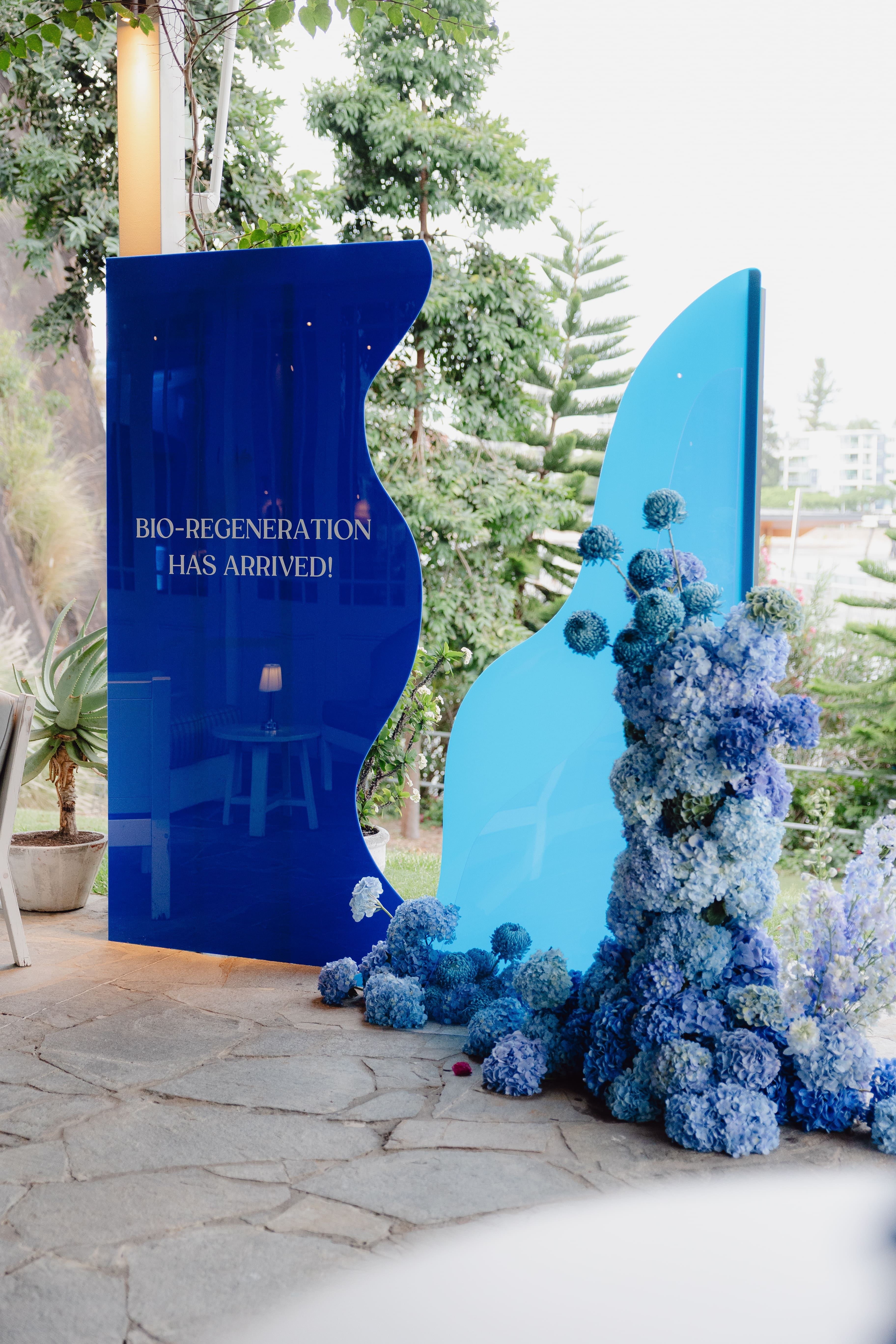
- Event Decor: The Talipot Palm’s leaves and flowers can be used to enhance large-scale event decor, creating a lush, tropical atmosphere.
- Centerpieces: For grand events, consider using smaller sections of the palm’s leaves or inflorescence in centerpieces to add an exotic touch.
The Talipot Palm at Stem Design
At Stem Design, we are always on the lookout for unique and extraordinary plants that can elevate our floral creations. The Talipot Palm, with its impressive size and fascinating lifecycle, is a true testament to the wonders of the natural world. Whether you’re looking to create a tropical paradise in your garden or add a touch of exotic elegance to your event, the Talipot Palm is sure to make a statement.
Interesting Facts about the Talipot Palm
- Botanical Name: Corypha umbraculifera
- Common Name: Talipot Palm
- Native Habitat: India and Sri Lanka
- Lifecycle: Flowers once after 30-80 years, then dies
- Special Features: Massive size, large inflorescence, monocarpic lifecycle
The Talipot Palm is a magnificent plant that embodies the grandeur and diversity of the botanical world. Its unique lifecycle and impressive size make it a fascinating addition to any garden or floral design. At Stem Design, we celebrate the extraordinary, and the Talipot Palm perfectly embodies our commitment to providing exceptional and memorable floral experiences.
Visit us at Stem Design to explore our curated collection of stunning and unique plants. Whether you’re planning a grand event or simply looking to add an exotic touch to your space, we have the perfect blooms and plants for you. Contact Us Today!


Comments are closed.